

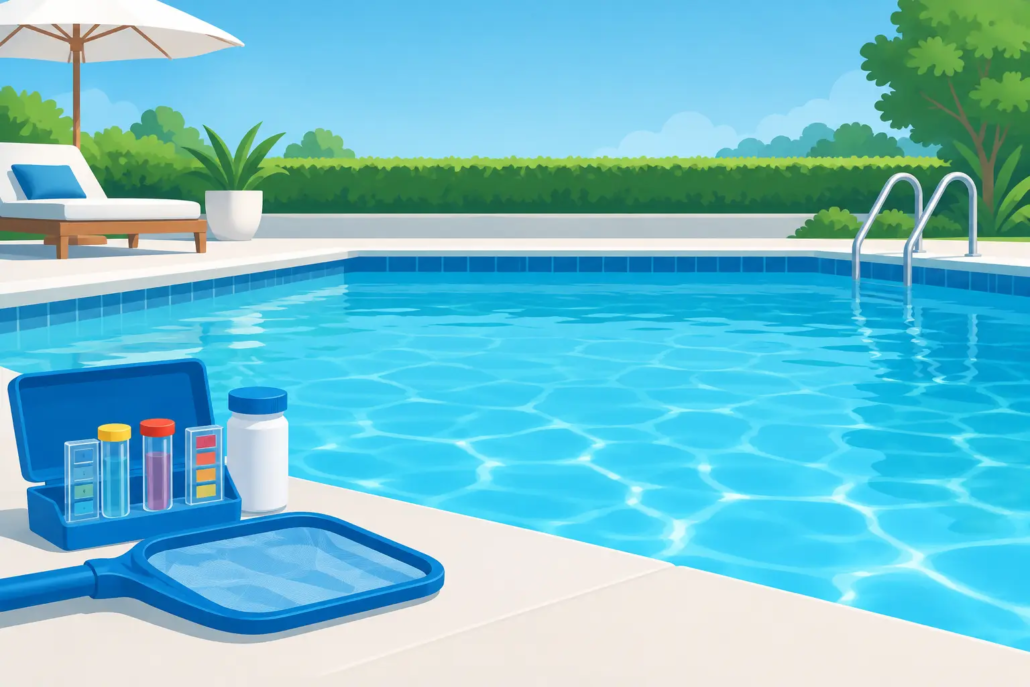
A pool can look inviting at noon and become a serious risk in seconds when a child slips away from supervision, water chemistry falls out of range, or equipment is not working as it should. Pool safety is not one purchase or one rule posted by the gate. It is a set of everyday protections that keeps the water healthy, the area secure, and the people using it properly supervised.
For Orlando homeowners and Central Florida property managers, that routine matters year-round. Pools are used more often here, heavy rain can quickly affect water balance, and warm temperatures create ideal conditions for algae and bacteria growth. A safe pool should be clear, clean, protected, and ready for use every day.
Pool Safety Begins Before Anyone Gets In
The most effective safety measure is active adult supervision. A responsible adult should be within arm’s reach of young children and should not be distracted by phones, grilling, conversations, or quick trips inside. Designate one adult as the water watcher whenever children are swimming. That person should understand that watching the pool is their only job until another adult clearly takes over.
Do not rely on floaties, inflatable toys, or a child’s swimming confidence. These items can be fun, but they are not safety devices. Even children who have taken swim lessons need close supervision, especially around deep water, drains, steps, and pool edges.
Set simple rules before guests arrive. Walk only around the pool deck, keep glass away from the water, do not push or hold anyone underwater, and never swim alone. For homes with children, make sure every caregiver, older sibling, babysitter, and visiting relative knows the rules. Consistency helps prevent the dangerous assumption that someone else is watching.
Create layers of protection
Supervision is essential, but it should not be the only barrier between a child and the water. A pool area needs layers of protection because real life includes interruptions, open doors, and moments when attention is divided.
A code-compliant fence with a self-closing, self-latching gate helps limit unsupervised access. The latch should be positioned where small children cannot reach it, and the gate should never be propped open for convenience. Check it regularly. A latch that sticks or a gate that does not close completely can defeat the purpose of the entire barrier.
Door and gate alarms provide another useful layer, particularly when the home opens directly to the pool area. Pool alarms can alert adults when the water surface is disturbed. They are not replacements for fencing or supervision, but they can provide valuable warning during an unexpected moment.
Keep rescue equipment visible and easy to reach. A life ring, reaching pole, and stocked first-aid kit belong near the pool, not stored in a garage behind other supplies. Adults in the household should also know CPR. In an emergency, quick action matters long before professional help arrives.
Clear Water Is a Health and Safety Issue
Crystal-clear water is more than a visual standard. It lets swimmers see the main drain, steps, toys, and anyone who may be under the surface. If the water is cloudy enough that the pool floor is difficult to see, close the pool until the cause is identified and corrected.
Cloudy water can result from poor circulation, an overloaded filter, chemical imbalance, early algae growth, or debris after a storm. In Central Florida, a heavy afternoon rain can dilute sanitizer and add contaminants to the water quickly. Ignoring the change can turn a small chemistry issue into a green pool and a bigger cleanup.
Proper sanitizer levels help control bacteria, algae, and other contaminants introduced by swimmers, leaves, rainwater, and animals. pH must also stay in the proper range so the sanitizer can work effectively and the water remains comfortable for skin and eyes. Calcium hardness, alkalinity, stabilizer, and phosphate levels also affect water quality and equipment performance.
There is a practical trade-off for hands-on pool owners. Chemical-only service can be a smart fit if you enjoy brushing, skimming, emptying baskets, and checking equipment between visits. Full weekly service is often better for busy families, landlords, and managed properties that need consistent cleaning and water care without gaps. Either approach works best when water testing and adjustments happen reliably, not only when the pool starts to look off.
Do not treat algae as only a cosmetic problem
Algae can make a pool slippery, reduce visibility, clog filters, and create conditions where proper sanitation becomes harder to maintain. Green water is a clear sign that the pool should not be used until it has been professionally treated, filtered, and balanced.
Avoid the temptation to add a large amount of chemicals without testing the water first. Overcorrecting can damage surfaces, create uncomfortable swimming conditions, and make it harder to identify the underlying problem. A measured treatment plan, paired with brushing and proper filtration, produces a safer recovery.
Equipment Maintenance Protects Swimmers and the Pool
Pool equipment works quietly in the background, but it plays a major role in safety. The pump circulates water, the filter removes debris, and the sanitizer system helps maintain healthy conditions. When one part is failing, water quality can decline much faster than most owners expect.
Check the pump, filter, valves, and visible plumbing for leaks, unusual sounds, weak circulation, or standing water. Empty skimmer and pump baskets regularly so the system can maintain proper flow. A filter that is dirty or overdue for cleaning may reduce circulation and leave contaminants in the water longer.
Drain covers deserve special attention. Missing, broken, loose, or outdated covers can create an entrapment hazard. Covers should be secure, in good condition, and appropriate for the pool’s drain system. If you are unsure whether a drain cover is compliant or properly installed, have a qualified pool professional inspect it before allowing swimmers back in the water.
Electrical safety also matters around wet areas. Keep extension cords, damaged lighting, and unapproved electrical devices away from the pool. If pool lights flicker, equipment repeatedly trips a breaker, or you feel a tingling sensation in the water, clear the pool immediately and contact a licensed electrician or qualified pool professional. Never assume an electrical issue will resolve on its own.
Safer Pool Areas Need Regular Attention
The pool deck can create hazards even when the water is perfectly balanced. Wet surfaces are slippery, and loose furniture, hoses, toys, and cleaning equipment make falls more likely. Make a quick walk-around part of your routine before people swim.
Use non-glass drinkware near the water. Broken glass is difficult to see and even harder to remove completely from a pool. Store chemicals in their original containers, away from children, pets, heat, and direct sun. Never mix pool chemicals or add water to chemicals. Follow product instructions and keep the area ventilated when handling treatments.
For apartment communities, vacation properties, and other commercial settings, maintenance needs to be especially consistent. More swimmers mean more contaminants, more wear on gates and furniture, and less certainty about who is following the rules. Regular documented service, visible pool rules, functioning safety equipment, and prompt communication about closures help protect residents and reduce preventable problems.
A Weekly Routine That Keeps Small Issues Small
Pool safety is easier to manage when it becomes part of the regular maintenance schedule. Each week, look at water clarity, test and adjust chemistry, skim debris, brush surfaces, vacuum as needed, empty baskets, and inspect the gate and pool area. Watch how the equipment runs instead of only checking whether it turns on.
After storms, pool parties, or periods of very hot weather, give the pool extra attention. These are the times when water balance can shift quickly. If the water changes color, becomes cloudy, develops an odor, or feels irritating to swimmers, treat it as a signal to test and correct the problem before the next swim.
Professional service adds another level of confidence because trained technicians can spot patterns that are easy to miss, from early algae growth to filter pressure changes or a weakening seal. At Pro Backyard Pool, dependable weekly care and clear post-service updates help owners spend less time guessing about their water and more time enjoying a clean pool.
The best pool day starts long before anyone brings out the towels. Keep the gate secure, the water clear, the equipment maintained, and the rules easy to follow. Those small, consistent habits create the kind of backyard or community pool where people can relax with confidence.








Leave a Reply
Want to join the discussion?Feel free to contribute!